

Understanding Consent Management in WordPress
In the digital landscape, consent management has emerged as a vital component of running a business website, particularly on platforms like WordPress. At its core, consent management refers to the processes and mechanisms that businesses must employ to obtain, manage, and record user consent for data collection and processing activities. This is especially crucial in light of stringent privacy regulations such as the General Data Protection Regulation (GDPR) and the California Consumer Privacy Act (CCPA).
The significance of effective consent management is underscored by the increasing emphasis placed on user privacy and data protection. In a world where data breaches and misuse of personal information are frequent concerns, establishing transparent consent practices is no longer optional but a fundamental requirement. These practices can foster stronger relationships with users, helping businesses to build trust and credibility in an environment where consumers are increasingly cautious about how their information is used.
Consent management extends far beyond merely implementing cookie banners on a website. While such banners serve as a first line of defense in obtaining user consent, they represent only a small part of a broader strategy. Businesses must consider various factors, such as the types of data they collect, the purposes for which data is processed, and how this information will be shared with third parties. Moreover, it is crucial for business owners to provide users with clear, accessible information on their rights and the choices available to them regarding their personal data.
As privacy regulations continue to evolve, WordPress site owners must approach consent management with diligence and foresight. This involves not only adhering to legal requirements but also proactively engaging with their audience’s expectations regarding transparency and autonomy. Ultimately, a robust consent management strategy not only ensures compliance but also enhances the legitimacy of a brand in the eyes of its users.
Advanced Consent Management Features in WordPress
As businesses increasingly seek to comply with data protection regulations, WordPress has evolved its consent management capabilities beyond the traditional cookie banner. By leveraging advanced features, website administrators can gain granular control over user consent, allowing visitors to selectively choose which services they wish to permit. This level of customization empowers users, enhancing their trust and engagement with the website.
One notable functionality is the ability to implement tailored consent options, where users can toggle permissions for specific categories of data processing, such as marketing, analytics, or third-party integrations. This approach not only adheres to privacy guidelines but also respects users’ preferences effectively. Additionally, comprehensive consent logs can be established, enabling administrators to track and manage consent history, which is critical for compliance audits and user requests regarding their data.
To facilitate these advanced features, several WordPress plugins are available that streamline the implementation of nuanced consent management strategies. For instance, plugins such as Complianz and CookieYes offer user-friendly interfaces that help webmasters customize consent forms while providing detailed reporting tools that assist in monitoring user consent activity. These plugins often include built-in features for automated compliance updates, ensuring that your website adheres to the latest legislative requirements, such as the General Data Protection Regulation (GDPR) and the California Consumer Privacy Act (CCPA).
When implementing advanced consent management features, it is essential to follow best practices. Transparently informing users about the types of data collected and the purpose of processing builds familiarity with consent mechanisms. Moreover, providing clear explanations and accessible settings for changing consent preferences encourages a positive user experience. The fusion of user choice and compliance not only mitigates risks associated with data handling but also fosters a trustworthy online environment.
Implementing a Transparent Consent Management Solution
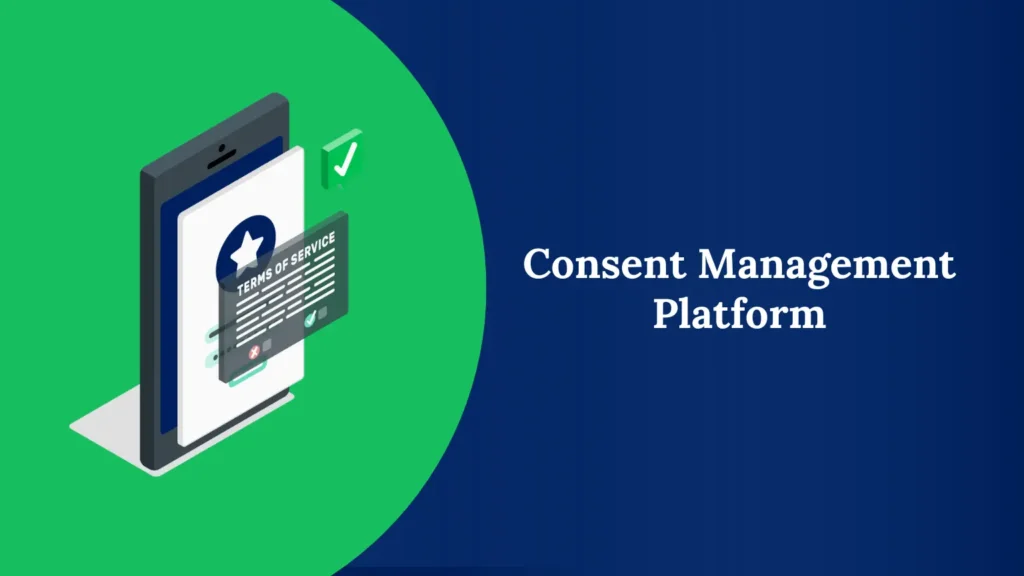
When it comes to building a consent management solution for your WordPress site, it is crucial to prioritize transparency and user experience. The first step in this process involves selecting a robust consent management plugin that aligns with legal requirements and meets your site’s specific needs. Popular options include Cookie Notice for GDPR, Complianz, and GDPR Cookie Consent, each providing varying levels of customization and compliance features. Following the installation of your chosen plugin, ensure to configure it according to the specific regulations applicable to your audience, such as GDPR or CCPA.
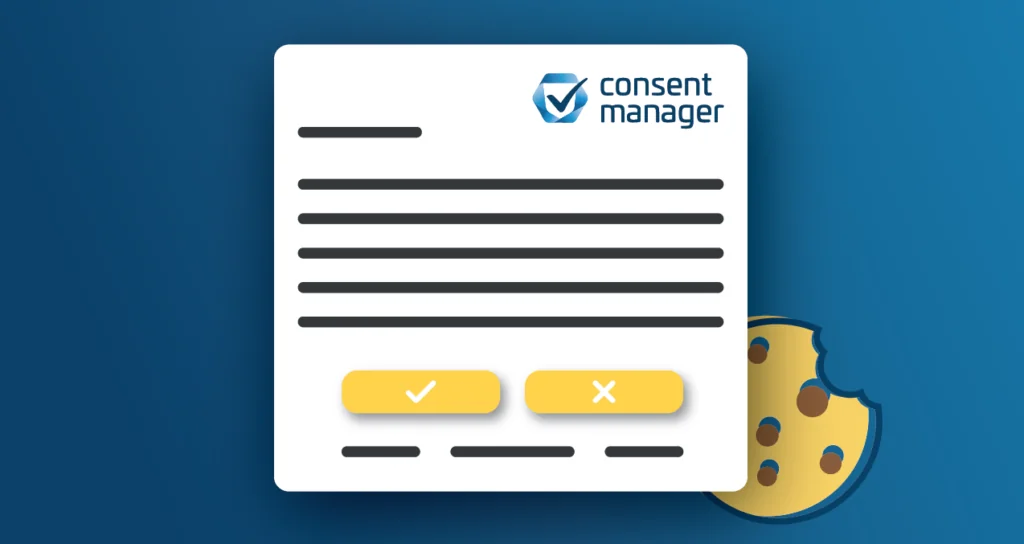
Next, focus on designing user-friendly consent interfaces that clearly inform visitors about the data being collected, the purpose of processing this data, and the services involved. This can be done by simplifying the language used and providing straightforward options such as accept, reject, or customize consent settings. Using a layered approach can also be beneficial—offering a brief summary of data practices upfront while allowing users to access detailed information upon request enhances clarity and empowers users to make informed choices.
Additionally, it is essential to make these consent options easily accessible. Place your consent banner prominently on your website and ensure that users can revisit their preferences at any given moment through a dedicated settings page. This increases transparency and promotes trust with your audience. Implementing notification systems regarding changes in data collection practices or service utilization also nurtures a transparent relationship with users.
Finally, regular audits of your consent management system are necessary to ensure ongoing compliance with evolving legal standards. By following these actionable steps and maintaining a user-centered focus, you can foster an environment of accountability and transparency on your WordPress site.
Best Practices and Common Pitfalls in Consent Management
Effective consent management is crucial for businesses seeking to navigate the complexities of data protection regulations while fostering user trust. To enhance compliance and user experience, organizations should adopt several best practices. Firstly, implementing a clear and concise consent form is essential. The language should be straightforward, avoiding jargon and ambiguity. Users must easily comprehend what they are consenting to, which data will be collected, and how it will be used. Additionally, organizations should ensure that consent is freely given, specific, informed, and unambiguous, adhering to the principles set forth by GDPR and similar regulations.
Another best practice involves providing users with customizable consent options. Instead of a blanket agreement, allow users to select specific preferences for the type of data they wish to share. This approach not only enhances compliance but also builds trust, as users feel they have control over their data. Regular updates to consent mechanisms are vital; businesses must revisit and refresh consent requests when there are changes in data processing activities or legal obligations.
Conversely, there are common pitfalls that companies should avoid to ensure effective consent management. One significant error is neglecting to educate users about the importance of consent and the implications of their choices. Providing clear resources and guidance helps users make informed decisions. Furthermore, failing to maintain accurate records of user consent can lead to compliance issues and possible legal repercussions. Businesses should regularly audit their consent management processes and ensure that consent logs are up-to-date and accessible.
By implementing the aforementioned best practices while being mindful of common pitfalls, organizations can create a robust framework for consent management. This not only helps in adhering to legal requirements but also plays a crucial role in fostering positive relationships with users through transparency and respect for their privacy.

Leave a Reply