
Understanding the Importance of Image Optimization

In today’s competitive e-commerce landscape, image optimization plays a pivotal role in enhancing the overall performance of online retail platforms. Optimized images not only contribute to faster loading speeds but also significantly bolster the website’s SEO rankings. When images are properly compressed and formatted, websites can reduce their loading times, ensuring a smoother navigation experience for users. This swift performance is crucial, as research indicates that users are likely to abandon a site if it takes longer than three seconds to load. Thus, image optimization is essential for retaining customer attention and reducing bounce rates.
From an SEO perspective, optimized images can improve a website’s visibility on search engines. Search engines prioritize websites that load quickly and provide a positive user experience. By utilizing relevant keywords in image file names, alt text, and captions, e-commerce websites can enhance their searchability. This not only helps in attracting organic traffic but also increases the chances of ranking higher in search engine results pages (SERPs). Additionally, descriptive alt text can make images accessible to users with disabilities, complying with web accessibility standards and further broadening the customer base.
Moreover, the significance of image optimization extends beyond technical advantages; it also affects consumer trust and purchasing decisions. High-quality, fast-loading images convey professionalism and reliability, fostering trust among potential customers. When users encounter poor-quality images or slow-loading visuals, they may question the credibility of the e-commerce site and opt for competitors with better online experiences. Therefore, integrating effective image optimization strategies not only improves website performance but also cultivates a positive brand image, ultimately driving conversions and sales.
Techniques for Effective Image Compression
Image compression is a critical component of e-commerce SEO that can greatly influence website performance and user experience. To optimize images effectively, it is essential to understand the difference between lossless and lossy compression techniques. Lossless compression reduces file sizes without discarding any image data, preserving the original quality. This method is ideal for images that require detail, such as product photos or logos. Conversely, lossy compression significantly reduces file sizes by eliminating some image information, which can lead to a decrease in visual fidelity. While it may not be suitable for all images, lossy compression is useful for large backgrounds or detailed images where slight quality loss is acceptable.
When it comes to selecting the appropriate file format for e-commerce images, choosing between JPEG, PNG, and WebP can make a notable difference. JPEG is widely used for photographs due to its efficient lossy compression, which balances quality and file size effectively. PNG, on the other hand, allows for lossless compression and supports transparency, making it suitable for graphics and images with text. WebP is a modern format that combines the advantages of both JPEG and PNG, providing superior compression without compromising quality, which can enhance site loading speeds.
To facilitate effective image compression, various tools and software are available. Popular options include Adobe Photoshop, which offers extensive features, and online tools like TinyPNG and Compressor.io, which are user-friendly and efficient. Implementing practical tips such as reducing dimensions before uploading images, using appropriate file formats, and selecting the right compression settings can further ensure images retain their visual fidelity while being optimized for web use. By applying these techniques, e-commerce sites can achieve the smallest file sizes, resulting in improved loading times, better SEO performance, and an enhanced user experience.
Utilizing Alt Tags and Descriptions for SEO Benefits
Image optimization plays a crucial role in enhancing e-commerce SEO performance, and one of the most effective methods to achieve this is through the use of alt tags and descriptions. Alt tags, or alternative text, serve to provide context about images to search engines and users alike. By incorporating relevant keywords into these tags, website owners can significantly improve their chances of ranking higher in search engine results pages (SERPs).
Moreover, alt tags contribute to accessibility by describing images to visually impaired users who rely on screen readers. When properly utilized, these descriptions ensure that all visitors, regardless of their abilities, understand the content and context of the images presented. This not only enhances user experience but also reflects positively on the website’s commitment to inclusivity.
To maximize the benefits of alt tags for search optimization, it is essential to follow best practices. First, every image should include a descriptive and precise alt tag that conveys the main purpose of the image while integrating relevant keywords naturally. Avoid the overuse of keywords, or “keyword stuffing,” as this may lead to penalties from search engines. Instead, strive for a balance where the alt tag remains informative and meaningful.
Another key aspect is ensuring that alt tags are contextually appropriate, relating directly to the content of the surrounding text. This not only aids search engines in understanding the relevance of the image but also helps improve on-page SEO. Additionally, consider including variations of the focus keyword or related terms to broaden the scope of search visibility without diluting the quality of the information provided.
In conclusion, effectively using alt tags and descriptions is vital for optimizing images within an e-commerce context. This strategy enhances SEO performance, improves accessibility, and ultimately contributes to a better user experience across the website.
Monitoring and Testing Image Performance
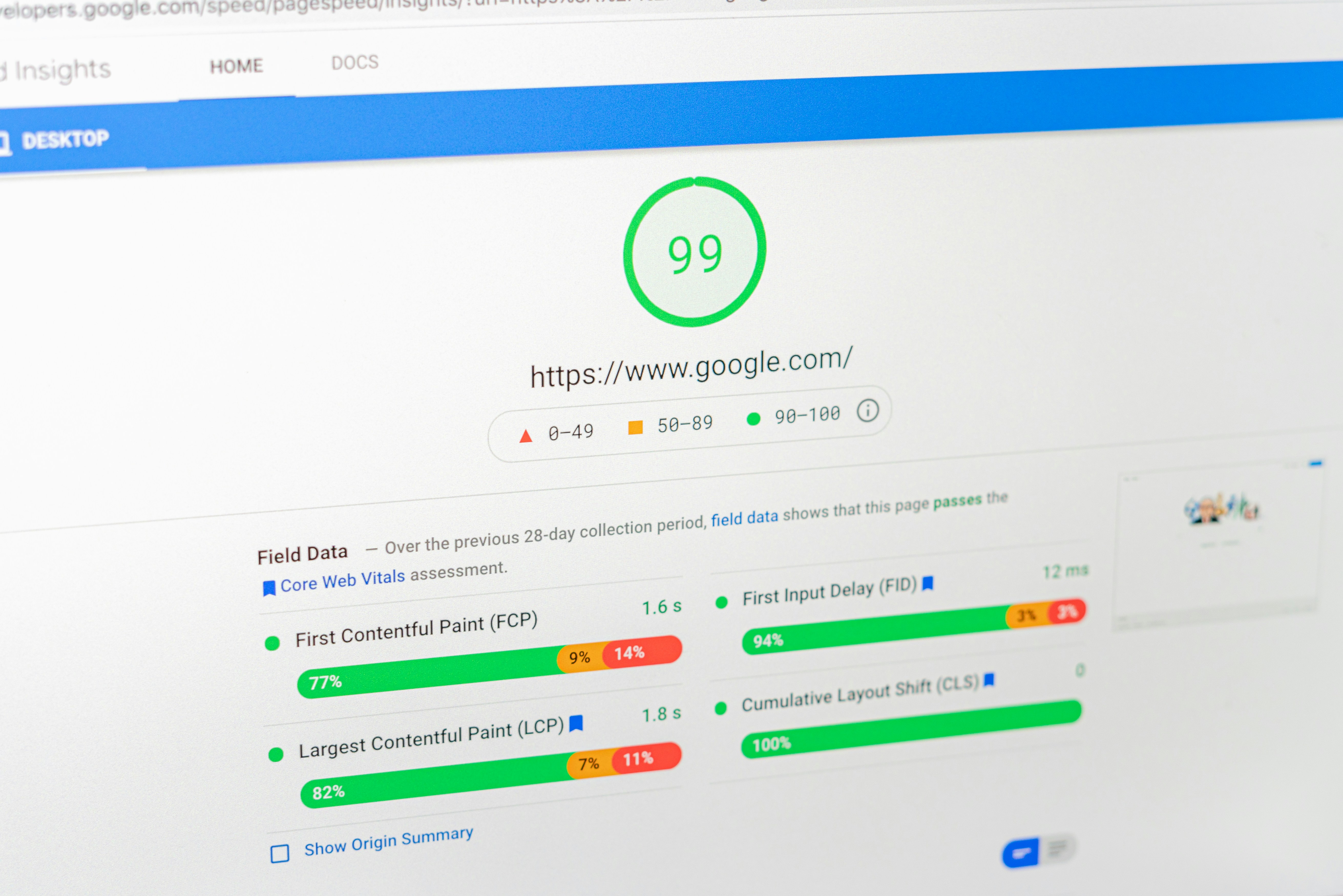
Effective monitoring and testing of image performance are critical components in enhancing the overall functionality of an e-commerce site. One essential approach is utilizing analytics tools that can provide insights into the loading times of images. Tools such as Google Analytics and PageSpeed Insights can help evaluate the performance of images, presenting data on load times and user engagement metrics. These insights enable businesses to identify problem areas where images may be hindering site performance, allowing for timely and informed adjustments to the optimization strategy.
Another valuable technique is implementing A/B testing to analyze the effects of different image optimization strategies on website performance. By creating two separate versions of a webpage—one with the original images and another with optimized images—e-commerce businesses can systematically examine which version yields better loading times and higher user interaction rates. This testing not only reveals the effectiveness of various image formats, file sizes, and compression methods but also aids in making data-driven decisions for ongoing improvements.
Moreover, it is crucial to continually evaluate image performance beyond initial tests. Regular monitoring ensures that any changes in site speed are addressed promptly, maintaining both user satisfaction and search engine optimization (SEO) goals. Setting up alerts for performance thresholds using tools like Google Search Console can help users stay informed about any degradation in image loading speeds over time. By adopting a proactive approach to monitoring and testing image performance, businesses can enhance their SEO results and provide an optimized experience for customers.
Leave a Reply